
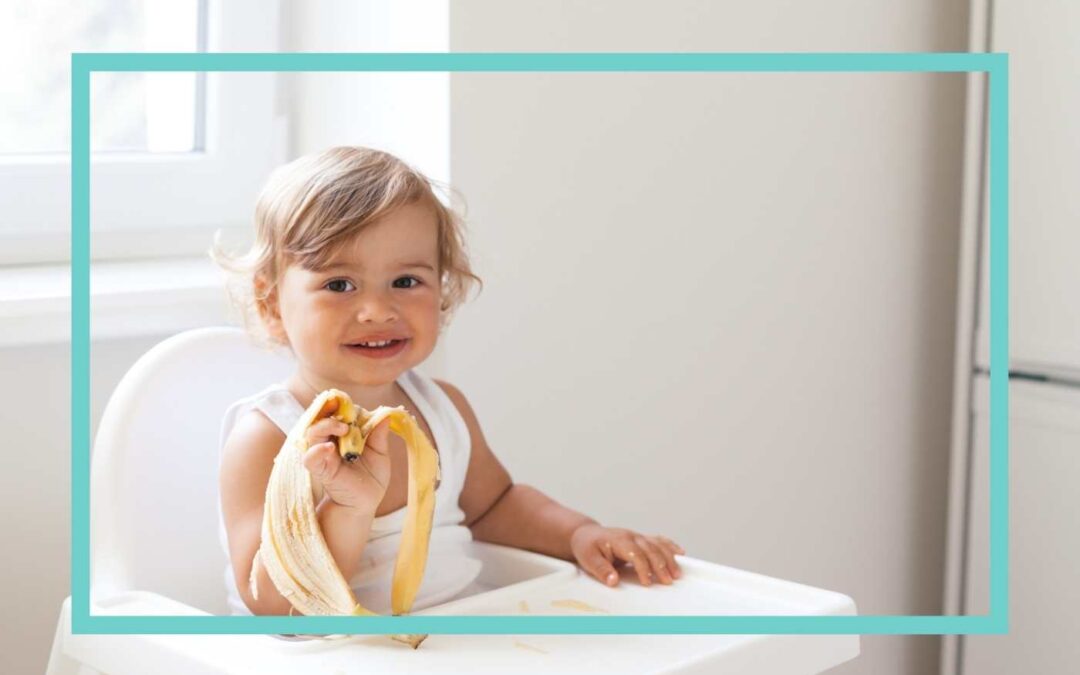
Feeding your child can feel simple or incredibly complex. For many families, mealtimes become stressful, confusing, or emotional. This is especially true when a child struggles with eating or sensory sensitivities.
Recent research shows that feeding is not only about food. It is a daily occupation involving skills, routines, emotions, and connection.
This article explores how occupational therapy supports feeding and nutrition. It also explains how our services can help your family.
Feeding Is More Than Nutrition
Eating is not just swallowing food. It includes being at the table, handling utensils, and exploring textures. Occupational therapists define feeding as an essential daily activity (. That means feeding is very comprehensive, including physical and emotional skills, sensory processing, and environmental considerations.
When feeding becomes difficult, nutrition can be affected. The solution is rarely just changing food.
This is why our pediatric feeding occupational therapy team focuses on the whole eating experience.
Why Some Children Struggle With Feeding
Many children experience feeding challenges. About one in four preschoolers shows selective eating patterns. Some children face higher risks. This includes autistic children or those with medical needs.
Common challenges include:
- Limited food variety
- Texture avoidance
- Long or stressful mealtimes
- Gagging or vomiting
- Emotional distress
These struggles can involve sensory, motor, and emotional factors.
How Occupational Therapy Supports Nutrition
Nutrition is not only about nutrients. It is also about access, comfort, and safety.
Occupational therapy supports improved nutrition in these ways:
Expanding Food Variety
Occupational therapists help children explore new foods safely. They use gradual exposure strategies. This leads to broader diets over time.
This is a key part of the work our occupational therapy pediatric feeding team does.
Improving Mealtime Regulation
Some children become overwhelmed during meals. Occupational Therapists support regulation during mealtime with the child and their family. A regulated child has more capacity and potentially the chance to eat more consistently.
Supporting Oral Motor Skills
Some children struggle with chewing or swallowing. Occupational therapists assess and build these skills using play and food-based activities. This supports safer eating and better nutrition.
Creating Positive Mealtime Routines
Family routines shape eating habits. Occupational therapists help families build routines that reduce stress and meet the needs in their home. This improves consistency and meal success.
The Role of Family-Centred Feeding Support
Feeding happens within families and in daily life. Parents are active partners in therapy.
Occupational therapists coach caregivers. They provide tools that work at home.
This approach improves outcomes and confidence.
That is why our pediatric feeding occupational therapy team emphasizes parent support.
Sensory-Based Feeding and Neurodivergent Care
Many feeding challenges are sensory-based. This is common in autistic children.
Occupational therapy first supports the nervous system. The goal is not to force children to eat. The goal is safe and positive participation. This aligns with neurodivergent-affirming care.
Interdisciplinary Care With Nutrition Professionals
Feeding challenges are complex.
Occupational therapists collaborate with:
- Dietitians
- Physicians
- Speech-Language Pathologists
- Mental Health Therapists
This ensures nutrition, safety, and emotional well-being are supported together.
Virtual Feeding Therapy
Feeding therapy can be effective through virtual care. This improves access for families.
Therapists can observe real home routines. This makes strategies more practical and relevant.
How Our Occupational Therapy Services Help
We support children to:
- Feel safe around food
- Build eating skills
- Expand their diet
- Improve regulation
- Participate in family meals
We support parents to:
- Reduce mealtime stress
- Build confidence
- Understand feeding challenges
- Support nutrition effectively
We collaborate with dietitians when needed.
When to Seek Support
You may benefit from occupational therapy if:
- Your child eats very few foods
- Meals are stressful
- Your child gags or avoids textures
- Growth or nutrition is a concern
- You feel overwhelmed
Early support and intervention make a difference.
Book an Appointment
If feeding feels hard, you are not alone. Support is available.
Our occupational therapists specialize in pediatric feeding support. We work alongside our nutrition team.
👉 Book an occupational therapy appointment today to support your child’s feeding and nutrition.
References
St. John, B. M., Piller, A., Tanner, K., Mance, E., & Ausderau, K. K. (2025). State of the science of pediatric feeding evaluation, intervention, and policy. American Journal of Occupational Therapy, 80,
8001185010. https://doi.org/10.5014/ajot.2025.051354